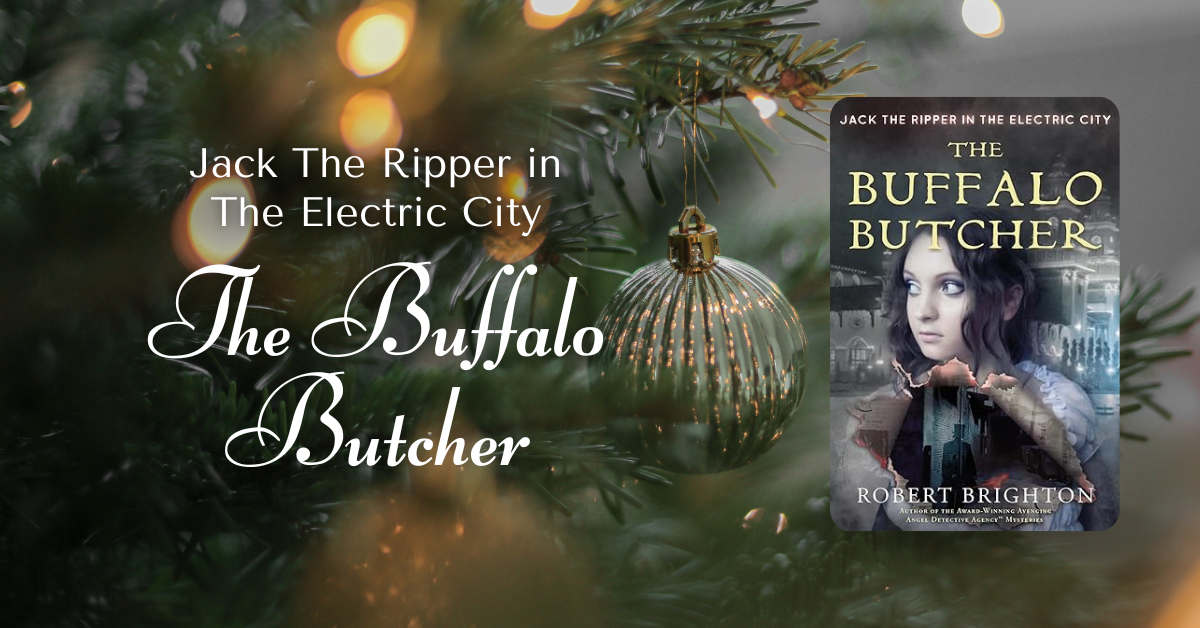
Brighton makes a smart structural choice at the center of The Buffalo Butcher — the perspective belongs to the working girls rather than the detective or the killer. That inversion does something important. The victims become actors, the investigation becomes communal, and the violence has weight rather than just function.
The 1901 Pan-American Exposition setting is meticulously rendered. Brighton understands that period settings need to do more than provide backdrop — they need to generate the specific textures of risk and social exclusion that make the story possible.
The prose is controlled without being bloodless. Brighton walks a difficult line — the crimes are brutal, but the women at the center never feel reduced to what was done to them. That’s the hardest thing to get right in this kind of story, and he gets it right.
BUY THE BOOK HERE